

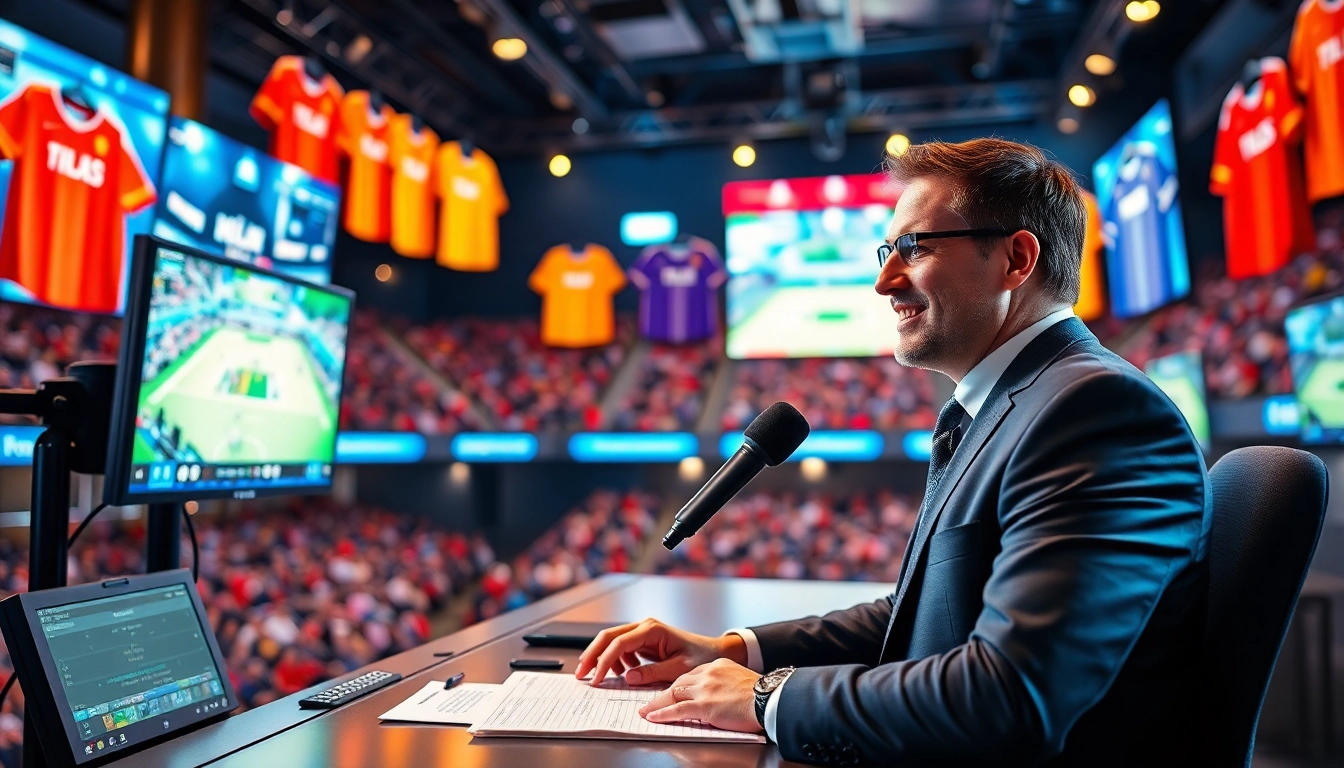
Understanding Sports Broadcasting Landscape
The world of Sports Broadcasting is a dynamic and ever-evolving field that not only entertains millions but also shapes the way audiences perceive and engage with sports. As media consumption changes, so does the landscape of how sporting events are broadcast. Understanding the historical context, key players, and current trends in this arena can provide valuable insights into both the industry and its future direction.
The Evolution of Sports Broadcasting
Sports broadcasting has undergone significant changes since its inception. The journey began with radio broadcasts in the early 20th century, allowing fans to hear their favorite teams in real-time. The transition to television in the 1950s revolutionized the industry, bringing vivid images and commentary directly into homes. This accessibility not only increased fan engagement but also led to heightened revenues through sponsorship and advertising.
As technology advanced, so did the methods of broadcasting. The advent of cable television expanded the number of channels dedicated to sports, catering to niche audiences and offering diverse content. The rise of the internet and streaming platforms in the 21st century marked another watershed moment, as fans can now watch live events on demand and via mobile devices. This evolutionary trajectory highlights not only the technological advancement but also the changing consumption habits of sports fans.
Key Players in the Industry
The sports broadcasting industry is populated by a wide range of key players, including major networks, streaming platforms, and independent broadcasters. Traditional broadcasters, such as ESPN and NBC Sports, continue to hold substantial market shares. They provide comprehensive coverage of major sports leagues and events, leveraging their established audience reach.
In recent years, streaming services like Amazon Prime Video and DAZN have disrupted the industry by offering exclusive content and live sports at competitive prices. These platforms appeal particularly to younger audiences who prefer on-demand consumption over traditional schedules. Additionally, social media platforms such as Twitter and Facebook have begun broadcasting live events and highlight clips, further diversifying the landscape.
Current Trends Shaping Sports Broadcasting
To effectively navigate the sports broadcasting landscape, it is essential to understand the current trends that are shaping the industry. One significant trend is the increasing importance of digital streaming. Fans now expect immediate access to content on their own terms, leading networks to adopt multi-platform strategies that encompass cable, streaming, and mobile applications.
Another trend is the integration of interactive features and analytics. Broadcasters are leveraging technology to provide real-time statistics and interactive graphics during live events, enhancing viewer engagement and enriching the viewing experience. Additionally, the rise of virtual and augmented reality technologies is setting new standards for immersive sports experiences, allowing fans to feel closer to the action than ever before.
Essential Skills for Sports Broadcasters
Sports broadcasting is a multifaceted profession that requires a diverse skill set. Broadcasters must not only be knowledgeable about sports but also excel in communication and adaptability to thrive in a fast-paced environment.
Communication Skills for Effective Delivery
At the heart of sports broadcasting lies effective communication. Broadcasters must articulate their thoughts clearly and engagingly. This includes developing a strong on-air presence, maintaining an engaging tone, and tailoring delivery styles to different formats, whether it be live commentary, interviews, or analysis segments.
Listeners should feel a connection with the broadcasters, which often translates into viewer loyalty. Extensive practice and feedback can help aspiring broadcasters hone these skills, preparing them for various broadcasting scenarios.
Research and Preparation Techniques
Research is critical in ensuring accurate and insightful commentary. Successful sports broadcasters must stay informed not only about teams and players but also about stats, historical context, and trends within the industry. Preparation techniques include maintaining comprehensive databases, utilizing analytics tools, and even engaging with social media to gauge fan sentiment and gather diverse perspectives.
Being well-prepared contributes significantly to the broadcaster’s credibility and enriches the viewer’s experience through insightful and informed discussions.
Adapting to Varied Audiences
A broad knowledge base allows sports broadcasters to cater to various audience demographics. Understanding the interests and backgrounds of the target audience is crucial, as sports fandom can vary dramatically by culture, age, and gender. This adaptability can enhance engagement levels, as broadcasters can tailor their content and delivery style to resonate with their viewers.
Additionally, incorporating fan feedback and adapting to preferences over time is essential for maintaining relevance in this ever-evolving landscape.
Technological Tools for Sports Broadcasting
Modern sports broadcasting relies heavily on advanced technology. Having the right tools at one’s disposal is critical for staying competitive in this fast-paced industry.
Broadcasting Equipment Essentials
High-quality broadcasting starts with the right equipment. Essential tools include sturdy cameras, high-definition microphones, and robust lighting setups. Many sports venues are now equipped with advanced satellite systems and mobile broadcast units, enabling seamless transmission of live events even from remote locations.
As the quality of broadcasts continues to improve, ensuring that all equipment is maintained and upgraded regularly will keep broadcasters at the forefront of viewer expectations.
Software for Live Coverage and Editing
In addition to hardware, the right software is vital for live coverage. Broadcasting software offers functionalities such as real-time editing, graphics generation, and seamless switching between different camera feeds. Popular software solutions aid in enhancing the production quality of live broadcasts, making them more engaging for viewers.
During post-production, editing software facilitates the crafting of highlight reels and analysis pieces that are essential in extending the life of broadcast content, ensuring wider reach post-event.
Embracing Emerging Technologies
Emerging technologies like artificial intelligence (AI) and machine learning are transforming sports broadcasting. Broadcasters are beginning to use AI to analyze player performance, generate real-time statistics, and tailor content delivery based on viewer preferences. This personalized viewing experience can significantly increase engagement and satisfaction.
Additionally, technologies like drones are being used for aerial shots of events, providing unique perspectives that enhance storytelling for the audience. Embracing these advancements positions broadcasters as leaders in innovation while meeting the expectations of modern sports fans.
Best Practices in Sports Broadcasting
Maintaining a high standard in sports broadcasting requires adherence to best practices that ensure quality content and viewer satisfaction.
Maintaining Viewer Engagement
Keeping audiences engaged is paramount, particularly during lengthy events. Strategies for maintaining viewer interest include using engaging commentary, incorporating storytelling elements, and breaking up the broadcast with relevant interviews or behind-the-scenes content. Interactive programming and fan polls during broadcasts can significantly enhance engagement levels.
Additionally, highlighting key moments with slow-motion replays or expert analyses can keep viewers captivated throughout the event.
Ethics and Responsibilities in Reporting
Ethics in sports broadcasting cannot be overstated. Broadcasters are responsible for delivering accurate and unbiased reporting. They must navigate situations involving sensitive topics, such as player injuries or controversies, with care and consideration. Upholding journalistic integrity instills trust among viewers and assures them that the information being shared is credible.
Moreover, broadcasters should engage with their audience respectfully and thoughtfully. Recognizing and addressing diverse perspectives within the sports community can contribute positively to a broadcaster’s reputation.
Building a Personal Brand
For aspiring sports broadcasters, cultivating a personal brand is essential for distinguishing oneself in a crowded market. This can be achieved by finding a unique voice, developing a presence on social media, and leveraging various platforms to showcase talent and build an audience. Networking with industry professionals and gaining exclusive insights through interviews can further enhance a broadcaster’s profile.
Moreover, authenticity resonates with audiences; therefore, being genuine in broadcasts fosters a loyal fan base that identifies with the broadcaster’s journey.
Measuring Success in Sports Broadcasting
In the fiercely competitive arena of sports broadcasting, measuring success is crucial for continuous improvement and adaptation to changing audience demands.
Audience Metrics and Analytics
Audience metrics are the cornerstone of measuring success. Broadcasters analyze viewership data, including ratings, engagement levels, and demographic breakdowns, to understand how their content is performing. Using analytics tools provides actionable insights into what audiences enjoy and where improvements are necessary.
Success can also be interpreted through engagement metrics, such as social media interactions and on-demand viewership, guiding broadcasters to refine their content strategy over time.
Feedback and Continuous Improvement
Feedback, both from audiences and peers, plays an integral role in professional development for broadcasters. Utilizing surveys or engaging in direct conversations with fans can yield valuable insights into viewer preferences. Recognizing areas of strength and weakness allows broadcasters to focus their efforts on continuous improvement, ensuring they remain relevant and impactful in a rapidly changing environment.
Participating in workshops and training sessions can further enhance their skill set and keep them updated with industry trends.
Career Pathways in Sports Broadcasting
A career in sports broadcasting offers diverse opportunities, from on-air talent and commentators to producers and analysts. Paths may also include roles in sports journalism, digital media content creation, and even public relations within sports organizations.
Moreover, as technology and viewer preferences evolve, new roles are emerging in the industry, such as social media strategists and data analysts, who support broadcasting teams in reaching their targets. A combination of experience, versatility, and a passion for sports are key factors that contribute to a successful career in this vibrant field.
Frequently Asked Questions
What qualifications are needed to become a sports broadcaster?
While a degree in journalism or communications is beneficial, practical experience through internships, networking, and gaining on-air practice can be equally valuable.
How do sports broadcasters stay updated on current trends?
Broadcasters stay updated by following sports news, engaging in industry discussions, and utilizing social media for real-time updates from experts and fans.
What role does technology play in modern sports broadcasting?
Technology enhances broadcast quality, enabling real-time statistics, immersive graphics, and new formats such as augmented reality to create engaging viewer experiences.
How can aspiring broadcasters build their personal brands?
Aspiring broadcasters can build their brands by establishing a social media presence, networking within the industry, and showcasing their unique perspectives and insights on sports events.
What are the best practices for maintaining viewer engagement?
Best practices include providing dynamic commentary, integrating fan interactions, and using engaging storytelling elements to keep audiences involved throughout broadcasts.